Contents


This report is not advice. If you would like to receive advice on your cash, consider speaking to a financial adviser.
Business Barometer Report
Economic uncertainty and rising costs are leaving UK SMEs to cope rather than grow – and 43% doubt they can continue this way for more than two years. New research from Flagstone reveals the support businesses need to protect jobs and investment.

Championing small businesses
Small and medium-sized businesses are the lifeblood of the UK economy. They employ more than 16 million people, generate over half of private sector turnover, and are where much of Britain’s ambition, innovation, and growth begins. But right now, many are buckling under high energy bills, rising costs, and employment changes that are making hiring more expensive.
When SMEs are forced to hold back on hiring and investment simply to manage today’s costs, the consequences reach far beyond individual businesses – they threaten the jobs, communities, and economic growth that depend on them.
At Flagstone, this matters deeply to us. Thirteen years ago, we started as a small business ourselves, built on an ambition to challenge the status quo and change the way people and businesses manage their cash. We haven’t forgotten what that’s like – and that’s exactly why we’re well placed to advocate for SMEs right now.
Our entrepreneurial heritage and relentless focus on innovation still shapes who we are today. We want to use our experience to bring about positive change for the many businesses following the same path, by giving SMEs a stronger voice in policy conversations.

This is why we have surveyed 1,000 UK SME leaders to understand what's challenging their organisations, and what support they need from government.
The picture that emerges is stark: businesses are managing today's pressures at the expense of tomorrow's growth. Energy costs and economic uncertainty are pushing companies to raise prices, delay investment, and hold back on hiring, while one in nine has considered closing altogether.
We know how challenging the journey from starting a small business to growing one can be. We have listened closely. Yet, we didn’t simply want to document the problem. We have turned what businesses told us into three clear asks for government and policymakers.
We hope this research helps put Britain’s SMEs higher up the political agenda and starts an important conversation about what needs to change to give them greater confidence to invest, hire, and grow.
Arman Tahmassebi, Flagstone CEO
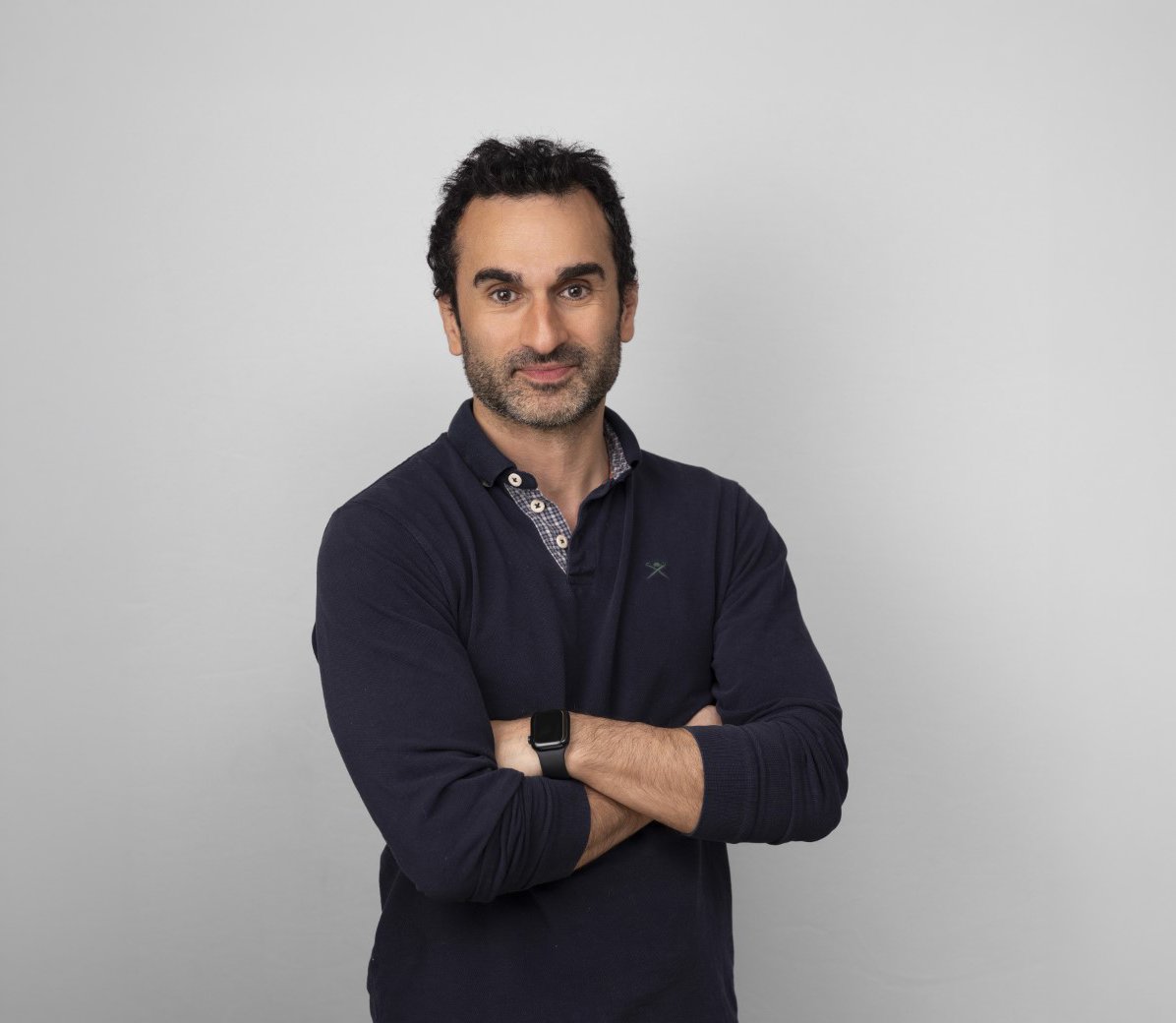
“Britain’s growth story starts with its small businesses – they don’t just power our economy, they power our communities, our jobs, and our future.”
Arman Tahmassebi, Flagstone CEO
Key takeaways
1
Energy costs are the top financial pressure facing UK SMEs
Over a third of UK SMEs (37%) name energy prices as one of their biggest financial challenges, followed by economic uncertainty (30%) and the cost of labour (28%).
2
Political instability worries more than inflation or global conflicts
Among businesses citing economic uncertainty as their top pressure, 55% point to UK political instability and leadership transitions, ahead of inflation (51%) and global conflicts (45%).
3
Businesses are protecting themselves today at the cost of tomorrow
In response, 42% of businesses facing financial challenges have raised prices, 32% have cut operating costs or reduced hiring, and 31% have delayed growth and investment plans.
4
Almost half of SMEs say they can’t keep going this way for more than two years
Under current pressures, 43% doubt their business can continue as it is today for more than two years. One in nine (11%) has considered closing the business altogether.
5
Cost relief tops SMEs' wishlist for the government
Asked what they most want to see from government, 43% chose a reduced tax burden, 30% support with energy costs, and 29% relief on employer National Insurance.
6
Relief would unlock growth for businesses – and the wider UK economy
If today's pressures were resolved, 38% of businesses facing financial challenges would hire more staff, and 36% would invest in equipment or technology.
CHAPTER ONE
The biggest financial challenges facing SMEs
Which challenges are affecting businesses the most?
Which challenges are affecting businesses the most?
Energy prices
37%
Economic uncertainty
30%
Cost of labour
28%
Higher operating costs (e.g. premises, IT)
26%
Cost of materials / stock / inventory
25%
Tax and regulatory complexity
24%
Cash flow management
17%
Late invoice payments
17%
Investment in tech / automation / AI
15%
Fraud and financial crime
10%
Access to finance
10%
Energy costs and economic uncertainty are the leading concerns
As conflict in the Middle East continues to disrupt energy markets, businesses are feeling the pressure. One wholesale business said suppliers now charge ‘four times the amount’ they used to pay for energy, while a manufacturing firm said costs increase ‘by a huge amount every quarter’.
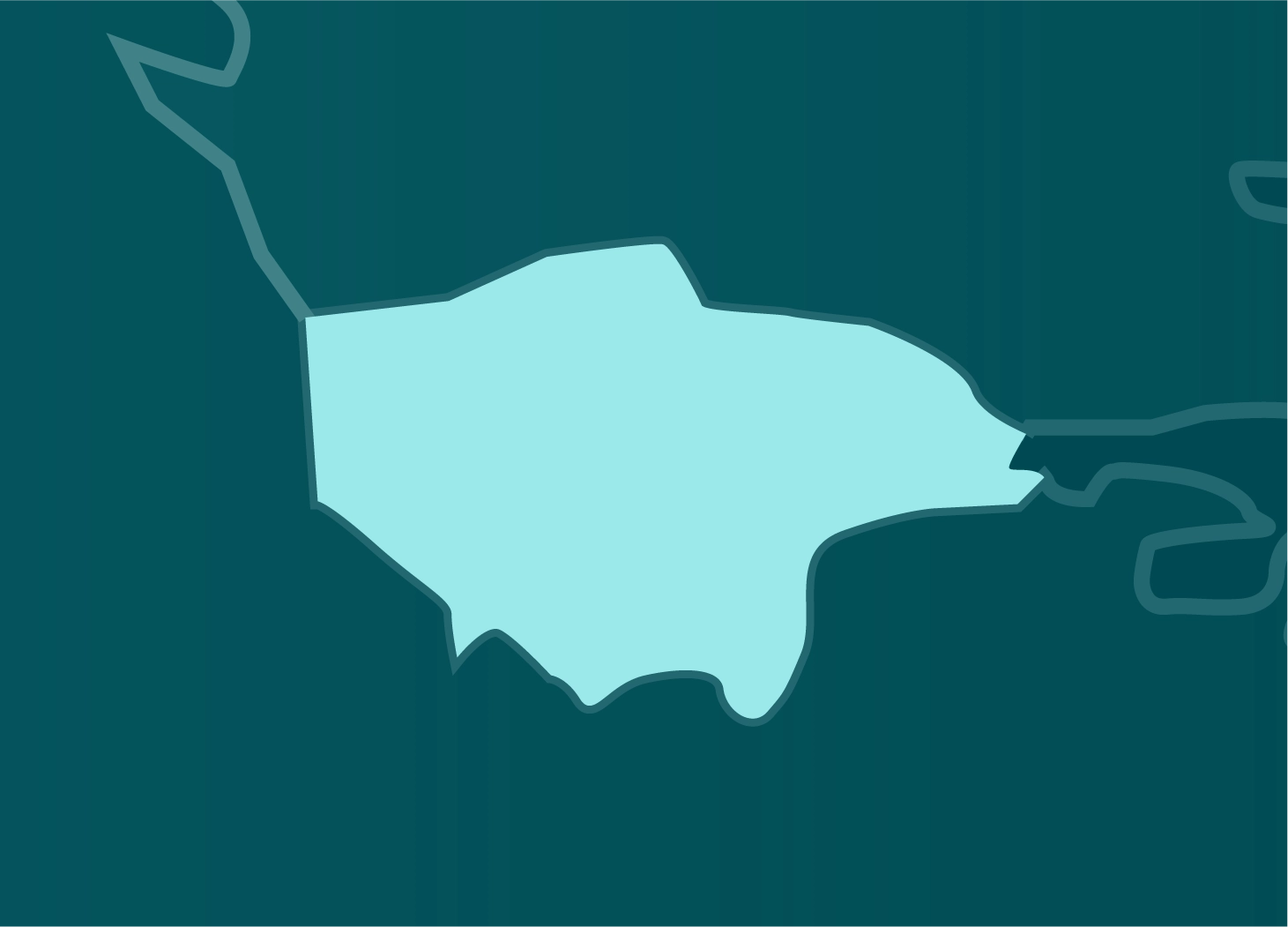
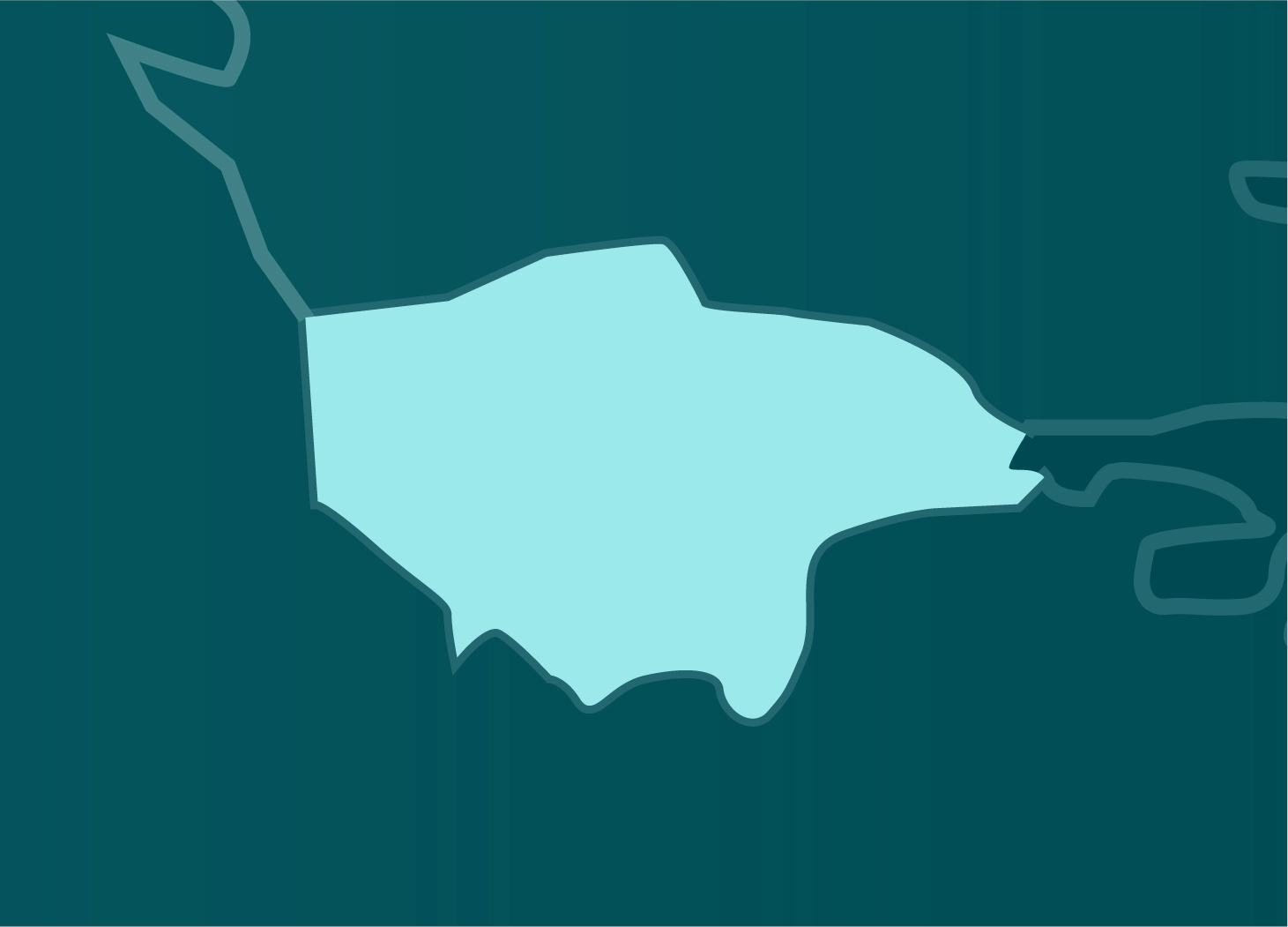
More than a third of businesses (37%) say energy prices are one of their biggest financial challenges, followed by economic uncertainty (30%). The pattern holds across most of the country: energy prices are the top concern in nine of the UK's 12 regions, with East Midlands, London, and Scotland putting economic uncertainty first.
Note: Results are indicative. Base sizes for NI, NE, Wales are below 50.
Select a region to find out more
Scotland
Northern
Ireland
North East
North
West
Yorkshire
East
Midlands
West
Midlands
Wales
East of
England
South West
London
South East
What’s behind economic uncertainty for businesses?
55%
UK political instability and leadership transitions
51%
Persistent inflation
45%
Global conflicts and wars (e.g. Middle East, Ukraine)
36%
Uncertainty over the new Chancellor’s fiscal plans
34%
Uncertainty around interest rates
22%
Trade tariffs
Political instability and inflation are driving economic uncertainty
Among the businesses citing economic uncertainty as a top challenge, 55% point to political instability and 51% to persistent inflation.
That’s little surprise given the decade behind it. From the 2016 Brexit referendum to the crisis in the Middle East, the UK has faced a series of major shocks.
The inflation rate has remained above the 2% target for the past five years, and the political landscape has seen an unusual amount of turnover and uncertainty. The UK has had seven prime ministers in ten years, more than the previous four decades combined.
The cost of doing business is climbing on multiple fronts
If we look at the top five challenges facing businesses, nearly all of them are about cost. Beyond energy prices and economic uncertainty, businesses highlight the cost of labour (28%), higher operating costs such as premises and IT (26%), and materials, stock, and inventory (25%).
While tension in the Middle East has driven up oil prices, recent policy decisions have added to the bill.
April 2025's rise in the National Living Wage and the increase in employer National Insurance contributions (NICs) have already pushed up the cost of hiring. The April 2026 business rates revaluation has added further pressure on premises costs for many firms.
Ever-increasing labour costs, along with raw material costs, make it difficult to keep afloat.
Medium-sized business in manufacturing.
Late invoice payments are a major challenge and negatively impact our cash flow. These are due to clients struggling with their own finances.
Micro business in professional services.
Tax, cash flow, and late payments: the frictions businesses live with day to day
Further down the list of challenges are the practical frictions of running a business: tax and regulatory complexity (24%), cash flow management (17%), and late invoice payments (17%).
A lower ranking doesn’t mean a smaller problem. Late payments, and the cash flow strain it causes, remains one of the most damaging pressures a business can face. But this is likely a symptom of the bigger economic issues. While supply chain disruption drives late payments, economic uncertainty drives cautious client spending.
The bigger picture: what’s hit SME finances hardest?
We asked SMEs which economic and political events had the most negative impact on their business's financial health over the past 10 years. Sustained pressure appears to weigh more heavily than single events, even ones that moved markets sharply, such as the 2022 mini-Budget.
The cost-of-living crisis (40%) and the Covid-19 pandemic (38%) dominate. Both were prolonged periods of high costs, disrupted demand, and operational strain over months or years. The Middle East conflict (25%) follows the same pattern, pushing up energy costs and inflation in a similar way.
Events with the most negative impact on business finances
Swipe to see more →
15%
18%
38%
24%
19%
40%
16%
25%
The UK’s vote to leave the EU
2016
The UK’s exit from the EU
2020
The Covid-19 pandemic
2020–21
Rising interest rates
2021–24
Russia’s invasion of Ukraine
2022
Cost-of-living crisis
2022–24
The “mini-Budget” under Liz Truss
September 2022
The conflict in the Middle East


hover to reveal more



Brexit: ten years on
Brexit's advocates promised UK businesses freedom from EU bureaucracy, lower costs, and a booming new era of global trade. A decade on, the data tells a different story. Higher import costs, supply-chain disruption, and customs admin outweighed opportunity.
Medium-sized firms felt the biggest impact, likely due to greater exposure to EU supply chains, exports, and cross-border hiring compared to smaller businesses.
The impact of Brexit on SMEs
What impact, if any, has Brexit had on your business?
Negative impact
Positive impact
27%
Higher costs of importing goods or materials
20%
Disruption to supply chains
19%
Increased customs paperwork and administrative burden
18%
Reduced ability to export goods or services to the EU
17%
Difficulties recruiting or retaining workers
14%
Opened new trading opportunities outside the EU
13%
Fewer or simpler regulations now the UK sets its own rules
13%
Reduced competition from EU-based firms
CHAPTER TWO
The impact of the increased cost of doing business on the economy
How businesses facing financial challenges are responding today
42%
Raised prices for clients and customers
32%
Cut operating costs (day-to-day expenses like rent, utilities, marketing, etc.)
32%
Reduced hiring plans or cut headcount
31%
Changed or delayed growth and investment plans
30%
Delayed or postponed strategic business decisions
17%
Sought additional finance or credit
17%
Increased cash reserves
11%
Considered closing the business
Businesses are protecting margins before anything else
Faced with rising costs, the most common response of businesses facing financial challenges (42%) was to raise prices for clients and customers. This is the fastest lever a firm can pull to protect margin without touching headcount, investment, or strategy.
Cutting operating costs is the next most common move. One in three SMEs facing financial challenges (32%) cut day-to-day costs such as software subscriptions, marketing, or utilities, and the same share reduced hiring plans or cut headcount.
But these responses aren't long-term fixes. While rising prices risk losing demand, cutting spending risks limiting future growth.
Everything is going up. We had to raise prices for clients which means they are buying less from us.
Medium-sized business in hospitality.
Cost pressure is forcing businesses to find efficiency wherever they can, and AI is the most debated option on the table.
Businesses see Artificial Intelligence (AI) as a practical efficiency tool worth adopting, but data privacy and reliability concerns are holding bigger ambitions back. Two in five businesses (40%) see the biggest opportunity in saving time or money on admin, and almost a third (31%) say it can help staff work more efficiently. Fewer see it opening new doors, such as new products (14%) or competing with larger rivals (14%).
While AI is seen as a major chance to streamline operations, concerns remain. Most businesses (32%) are cautious around data privacy and security risks, 26% worry about inaccurate or unreliable outputs, and 21% point to unclear regulation around AI. For businesses focused on growth, efficiency, and resilience, the opportunity is real. The question is no longer whether to adopt AI, but how to do it safely, maintain rigorous governance, and keep human oversight over automated workflows.
What are the main opportunities you see AI bringing to your business?
40%
Saving time or money on admin and routine tasks
31%
Helping employees work more efficiently
25%
Improving customer experience
24%
Growing the business without growing headcount
24%
Improving forecasting, planning or risk management
20%
Making better business decisions
14%
Offering products or services we couldn’t before
14%
Competing with much larger companies on equal terms
14%
I see no opportunities
What concerns you most about adopting AI in your business?
32%
Data privacy and security risks
26%
AI outputs being inaccurate, biased or unreliable
21%
Unclear or uncertain regulation around AI
19%
High implementation costs
19%
Employees using AI tools without approval or oversight
18%
Impact on jobs, roles or staff morale
17%
Lack of in-house expertise to implement it effectively
15%
Losing ground to competitors who adopt it faster
15%
Nothing concerns me in particular
We are currently delaying any major investments until we are sure that the economy will improve.
Medium-sized business in hospitality.
Nearly one in three businesses have changed or delayed growth or investment plans
Financial pressure isn't just a short-term cost problem. It's a growth problem. 31% of SMEs facing economic challenges have changed or delayed their growth plans, and 30% have postponed strategic decisions.
The cost compounds over time. A hiring plan paused this year often means a skills gap down the line. And every decision put off gives competitors the advantage.
One in nine UK SMEs facing financial challenges have considered closing
Cost control and pausing growth don't always solve the problem. A smaller group of firms is turning to their financial position, building a buffer for what's ahead or looking to external finance. 17% increased cash reserves, and the same share sought additional finance or credit.
But for some, even that is not enough. 11% of SMEs have considered closing the business altogether. One marketing business said: 'We stopped hiring, frozen investment, and we're considering closing.' A transport company shared they're squeezed 'from all sides and it's not worth staying open.'
Some of these pressures are for government to fix. Others, businesses can act on today, starting with how they manage the cash they already have.
Almost half of SMEs say they cannot keep operating this way for more than two years
Businesses are not sitting still, but despite price rises, cost-cutting, and paused investment, 43% do not think their current model can survive more than two years if pressures continue.
Micro businesses appear more exposed, more likely than medium-sized businesses to say they could last under six months (5% vs 2%) or that they do not know (9% vs 3%).
That is not a problem businesses can solve alone. It's a signal for government and industry bodies.
How long can businesses keep going if today’s pressures continue?
3%
Less than 6 months
12%
6–12 months
29%
1–2 years
29%
More than 2 years
23%
Indefinitely / no major concern
4%
Don’t know
If pressure eased, hiring and investment would come first
The picture is not solely one of businesses cutting back. Over half (52%) expect to continue operating for more than two years or indefinitely, and many say that resolving current challenges would free them up to recruit, invest, and expand.
If today's pressures eased, 38% would hire more staff, and 36% would invest in equipment, premises, or technology. Another 33% would expand the business, and the same share would raise wages or improve staff benefits. When small businesses grow, the entire economy benefits.
What businesses say they would do if today's challenges were resolved
Swipe to see more →
38%
36%
33%
33%
29%
29%
29%
29%
20%
Hire more staff
Invest in equipment, premises, or technology
Expand into new markets, products, or services
Raise wages or improve staff benefits
Take on more customers or contracts
Invest more in staff training or skills development
Increase marketing, sales or business development
Rebuild cash reserves
Pay down debt
CHAPTER THREE
The government support SMEs are asking for
Businesses need relief before they can grow
Financial pressures are forcing businesses to shift focus from long-term growth to short-term survival. When asked what support they most want from government, cost relief measures come out on top.
The most common choice for firms was reduced tax burden (43%), followed by support with energy costs (30%), a reduction or freeze on employer National Insurance contributions (29%), and business rates reform (27%).
These four priorities show businesses focused on keeping things running. But economic expansion can’t happen while so many small businesses are focused purely on staying afloat.
If the government wants to deliver on its mission to drive economic growth, easing the cost pressures on small businesses needs to be a priority.
What support businesses want from government
Reduce the overall tax burden on small businesses
43%
Provide support with energy costs
30%
Reduce or freeze employer National Insurance contributions
29%
Reform business rates
27%
Improve access to finance and funding
22%
Simplify compliance and regulation
22%
Fund support for hiring, apprenticeships, and skills
21%
Fund support for digital and AI adoption
19%
Tackle late payments by large corporations
15%
How businesses want rates reformed
One of Andy Burnham's first acts in office was announcing 20% rates relief for pubs, clubs, and live music venues. And the Prime Minister said he wants to go 'further' on business rates at the budget on 28 October.
While the government's announcement has been welcomed by the sector, SMEs want to see greater reform. We asked what would help most if the government reviewed business rates.
Over a third of SMEs (37%) said higher Small Business Rates Relief thresholds, and 32% said rates that adjust to reflect how well a business is doing.
Reforms and policy decisions can move slowly. Businesses feeling the squeeze can focus on what's within their control, starting with how actively they manage their cash reserves to earn competitive interest rates.
Business rates changes that would help SMEs most
37%
Raise the Small Business Rates Relief thresholds, so more small businesses qualify for relief.
32%
Make business rates more responsive to changes in business performance or trading conditions.
30%
Let businesses keep Small Business Rates Relief when expanding into additional premises.
29%
Lower the multipliers further to reduce the amount businesses pay overall.
In their words
A complete overhaul of business rates and freezing energy prices to encourage and stimulate economic growth in the country.
Small business in manufacturing.
The increased NI costs for employers should be reversed. They are a barrier to employment.
Micro business in professional services.
hover to reveal more
From resilience to business growth
Amid economic uncertainty and rising energy prices, the findings in this report point to an SME sector focused on staying afloat rather than growing. This isn’t just a challenge for business and finance leaders, but for the wider economy, which depends on companies investing, expanding, and creating jobs.
It's vital that the right policies continue to support our small business community. Firms are clear about the support they need and are calling for measures to ease rising costs and unlock the growth they know is possible.
But while policy change takes time, cash management is one area businesses can act on today. Cash reserves that sit dormant in a low-interest account are eroded by inflation over time. A cash platform like Flagstone makes it easy to manage multiple accounts across different banks, access competitive interest rates, and keep funds protected and accessible when needed.
SMEs are the lifeblood of the UK economy and are ready to grow. The government needs to give them the confidence and conditions to do so because when small businesses thrive, Britain thrives.
Arman Tahmassebi, Flagstone CEO
Methodology
In July 2026, Flagstone partnered with Opinium to survey 1,000 SME owners and senior financial decision-makers. The research explored the financial challenges facing UK SMEs and the support they want to see from government. An SME is defined as a business with fewer than 250 employees and an annual turnover of under £44m.
The sample included SMEs across a range of business sizes, sectors and UK regions. The survey included multiple-choice questions alongside open comment fields, allowing respondents to add quotes and qualitative feedback to support their answers.
About Opinium Research:
Opinium is a multi-award-winning strategic insight agency, twice recognised Market Research Society (MRS) 'Agency of the Year' in the past five years. With offices in London, New York, Amsterdam, and Cape Town, Opinium delivers insights with impact, evidence-based understanding that drives clarity, action, and meaningful change.
Audience insights
Which sector best describes your business activity?
Where in the UK is your organisation based?
Which best describes your role in your organisation?
What is the annual turnover of your organisation?
How much cash does your business currently hold?